PSPS Defending the Top Spot: Team Competition Through Bazi 'Bijie' and the Winning Will of 'Shishang'
Indonesia's PSPS Pekanbaru is about to face Adhyaksa FC away, fighting to keep their place at the top of the table. Behind this crucial match, the team cohesion symbolized by Bijie and the winning drive represented by Shishang are the core co
Opening Introduction
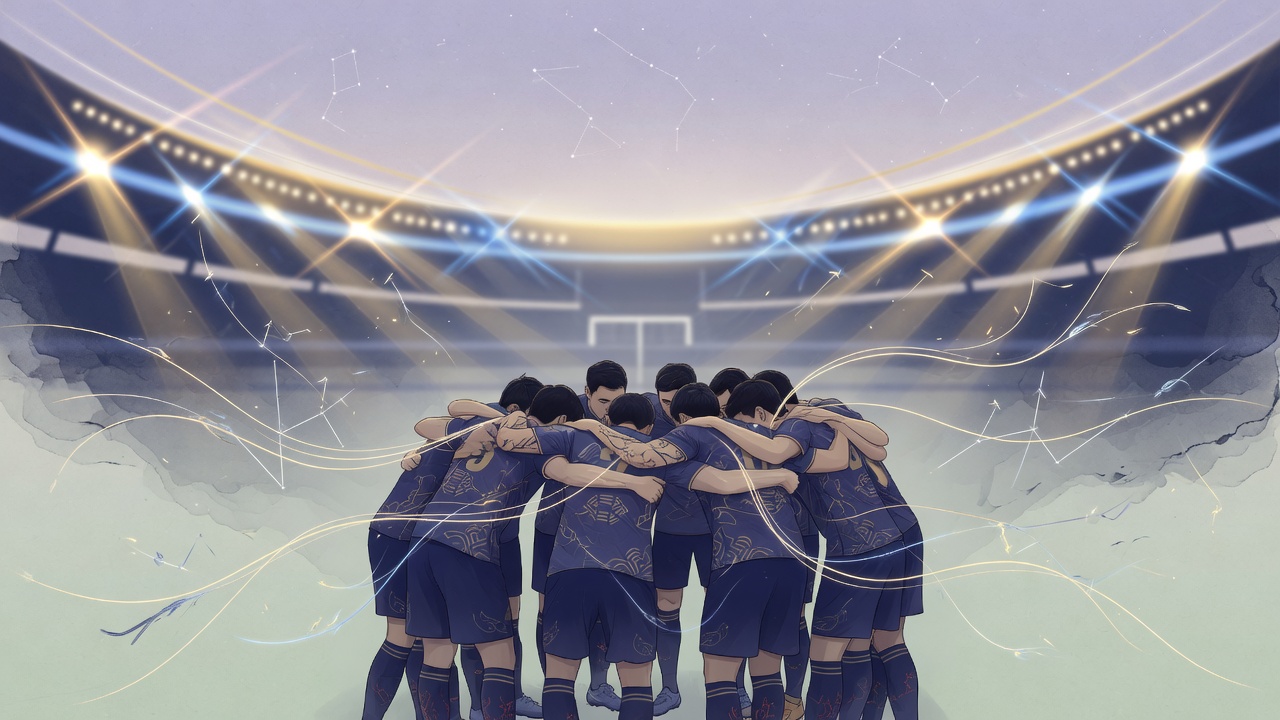
Tomorrow, PSPS Pekanbaru will fight for the top spot at their opponent's home ground, and the entire squad is filled with a sense of tension that allows no room for error. This high-pressure team collaboration and hunger for victory can be deeply interpreted through the two star groups in Bazi: Bijie and Shishang.
Basic Clarification
Bazi is not prediction, but energy analysis
- Misconception 1: Bazi can predict match outcomes. In reality, Bazi reveals innate energy tendencies, not specific event results. It reflects team collaboration patterns and the foundation of psychological resilience.
- Misconception 2: Bijie only represents competitive conflict. In essence, Bijie refers to peers, partners, and teammates. In sports, it points more to the brotherhood of fighting side by side and healthy internal competition.
- Misconception 3: Shishang means impulsiveness. Shishang represents talent, expression, and the desire to win. It drives players to create opportunities and release passion on the field, serving as direct fuel for psychological resilience.
Core Insights
Bijie: The Underlying Code of Team Spirit
In the Ten Gods system of Bazi, Bijie refers to stars sharing the same element as the Day Master, divided into Bijian and Jiecai. Bijian is like brothers and siblings, representing equal collaboration and support. Jiecai carries a sense of rivalry and contention, yet it can also ignite internal fighting spirit within the team.
A team with balanced Bijie energy often displays extremely strong cohesion. Players are willing to cover for one another, communication on the pitch is smooth, and when trailing they encourage each other rather than assign blame. This is the first layer of psychological resilience—never fighting alone.
However, excessive Bijie can also bring negative effects: internal competition may turn into internal friction, with players fighting for credit or complaining on the pitch. Conversely, if Bijie is too weak, the team becomes fragmented and lacks chemistry. Therefore, the coaching staff needs to balance player interactions much like adjusting a Bazi chart.
- Role of Bijian: Stabilizes team morale and builds trust. When PSPS plays away, the Bijian-like composure of veteran players can offset the pressure of the away environment.
- Double-edged Jiecai: Healthy competition can raise training intensity, but if uncontrolled, it can weaken tactical execution.
- Team Chart: A 'Bazi team' with harmonious Bijie often bursts with remarkable resilience in adversity.
Shishang: The Combustion Agent of the Will to Win
Shishen and Shangguan are collectively called Shishang. They are stars generated by the Day Master, representing creativity, expressiveness, and attacking mentality. On the football pitch, Shishang is directly linked to a player's dribbling ability, shooting desire, and tactical imagination.
Shishen leans toward steady technical output, like a midfield organizer who tears apart defenses with precise passes. Shangguan is more adventurous, daring to attempt long shots or take-ons at critical moments. Together, they form the attacking soul of a team.
When a team has strong and favorable Shishang energy, it often produces flashes of brilliance in deadlocked situations. This is the second layer of psychological resilience—the courage to actively seek change rather than passively wait. PSPS's away match this time requires Shishang-driven front-line creativity to break down a compact defense.
- Shishen traits: Calm, technically refined, excelling at keeping movements composed under high pressure.
- Shangguan traits: Passionate, unconventional, the X-factor in turning a match around.
- Over-draining Shishang: If energy is released excessively, players may distribute physical stamina poorly and fade in the later stages.
Balance Between Bijie and Shishang: The Complete Loop of Psychological Resilience
Truly strong teams often have harmonious flow between Bijie and Shishang in their Bazi charts. Bijie provides the team with a solid backbone, while Shishang injects sharpness into the front line. The two generate rather than conflict with each other. This configuration corresponds to the highest form of psychological resilience: both stable team trust and fearless attacking determination.
For example, when the back line (Bijie) wins the ball and quickly transitions it to the midfield (Shishang) to launch a counterattack, the entire process requires the smooth energy conversion of Bijie generating Shishang. If Bijie is too heavy and suppresses Shishang, the team becomes overly conservative and misses opportunities. If Shishang is excessive without Bijie support, the team easily falls into individual heroism.
PSPS Pekanbaru's long-term hold on the top spot reflects, to some extent, a dynamic balance between Bijie and Shishang within the team. Facing away-game pressure, they need Bijie to steady their footing while relying on Shishang to deliver the decisive strike at critical moments.
- Key to flow: Bijie provides the platform for Shishang, and Shishang creates value for Bijie. Neither should be neglected.
- Warning signs of imbalance: Bijie overpowering Shishang—internal conflict suppresses creativity; Shishang excessively draining Bijie—the team's foundation is shaken.
- Training insights: Group drills can simulate Bijie competition; tactical exercises strengthen Shishang expression.
Pitfall Avoidance Guide
Using Bazi Thinking to Enhance Team Psychological Resilience
- Avoid blindly strengthening Bijie: Overemphasizing 'brotherhood' may cover up tactical disagreements. Establish an open communication mechanism so that Jiecai-style competition can be transformed into constructive feedback.
- Guard against Shishang overflow: Encouraging creativity does not mean tolerating wasteful long shots or individual showboating. Set a tactical discipline framework so that Shangguan's risk-taking serves the collective.
- Do not ignore the flow between Bijie and Shishang: The coaching staff should examine attacking and defensive transitions like analyzing a Bazi chart, ensuring defensive investment is effectively converted into attacking opportunities and preventing energy stagnation.
- Do not equate psychological resilience with mere pep talks: True resilience comes from the trust foundation of Bijie and the intelligent output of Shishang, requiring repeated refinement in daily training.
- Away games require adjustment: The away environment is like the 'climate adjustment' factor in Bazi. Pre-match adaptation training and mindset adjustment are needed to balance the interference of external pressure on team energy.
- The dual role of a leader: A captain with strong and favorable Bijie in the Bazi chart must both unite the team and stimulate teammates' Shishang creativity, avoiding one-man dominance.
Summary and Review
PSPS Pekanbaru's battle to defend the top spot is essentially a coordinated test of Bijie team strength and Shishang winning mentality. Bazi metaphysics reveals this: solid brotherhood is the cornerstone of psychological resilience, while fearless creative expression is the key to breaking deadlocks. Only when the two are in balance can a team truly become a powerhouse.